
Published First On MetaTalk
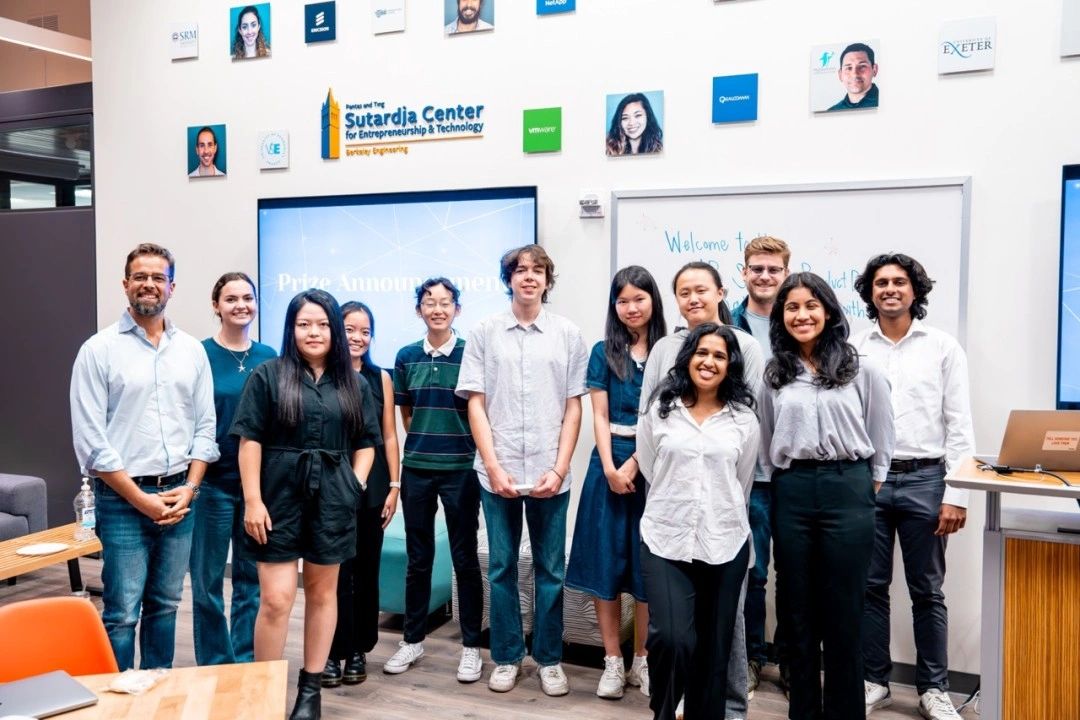
The recent collaboration between the UC Berkeley Sutardja Center for Entrepreneurship and Technology (SCET) (SCET) and Phygtl's student challenge, specifically Challenge #4 - AR Startup Product Design Challenge, provides a great view into the evolving landscape of augmented reality (AR) and its potential applications.
The SCET Innovation Fellows Program: A Closer Look
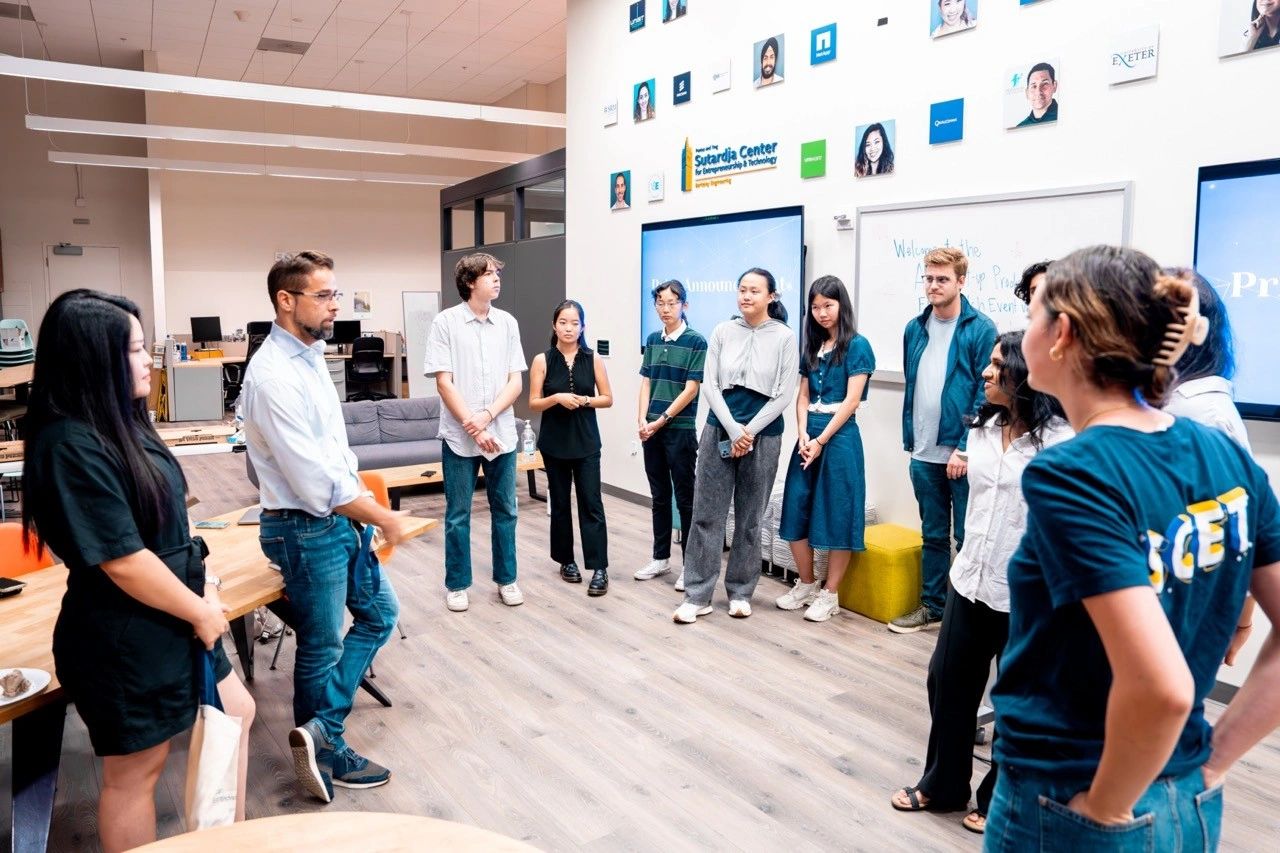
The 12-week SCET Innovation Fellows Program, structured as an experiential game, serves to encourage students to explore entrepreneurial terrains outside their conventional spheres. Within this framework, from September 18 to October 19, 2023, students were immersed in the AR Startup Product Design Challenge. Throughout this period, the focus remained on AR's possibilities, especially in terms of behavioral modifications and the integration of tokenized assets. As a key partner in this initiative, Phygtl played an instrumental role, offering both guidance and inspiration.
Augmented Reality: Behavioral Implications and Tokenized Assets
- Behavioral Shifts: One salient theme that emerged from the challenge was AR's potential to effectuate behavioral changes. Student prototypes delved into the mechanism through which immersive AR experiences can modulate user engagement. Certain teams posited the utilization of AR in educational settings, underscoring its capacity to render abstract academic constructs into tangible visual representations.
- Tokenized Assets and AR: The interface of AR with blockchain's tokenized assets was another area of rigorous exploration. Student projects illuminated the means through which AR can be employed to visualize tokenized values. The emphasis lay not just on the visualization but also on the intricacies of how such tokenized frameworks can be integrated into gamified environments.
- Gamification and Rewards: Central to many student-led innovations was the concept of gamification within the AR domain. Teams brainstormed on how real-world accomplishments can be translated into tokenized rewards within AR settings. Such paradigms hold the promise of reshaping incentive structures in digital ecosystems, merging tangible achievements with intangible digital rewards.
Concluding Remarks
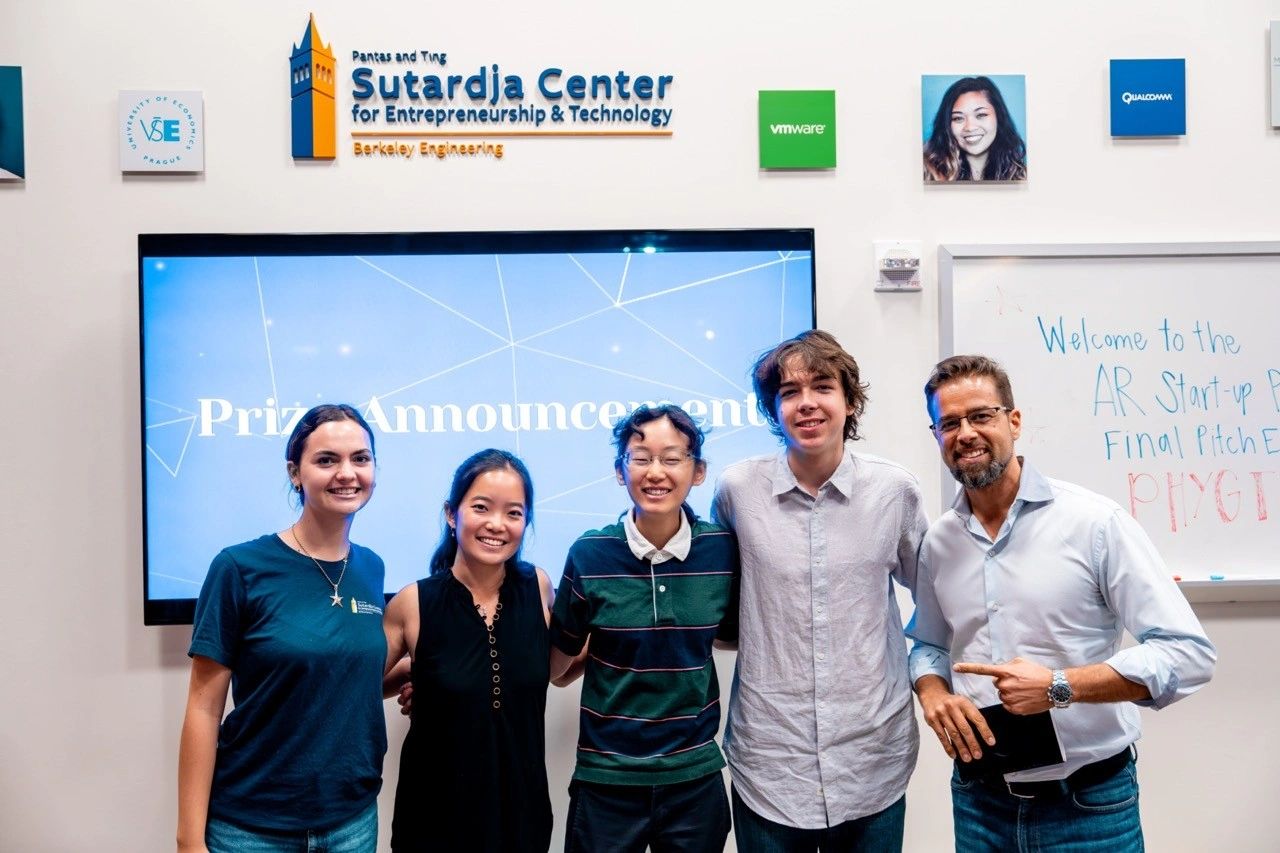
The challenge's finale bore witness to the depth of critical thinking and innovation brought forth by UC Berkeley students. Their presentations, grounded in academic rigor, were a testament to the evolving nexus of AR, gamification, and tokenized systems. Special acknowledgment is extended to Rachel Eizner , Jennifer Nice , and the four teams who emerged as victors in this challenge.
In summation, the AR Startup Product Design Challenge, with Phygtl's support, has provided invaluable insights into AR's transformative potential. The exploration and the resulting academic discourse further solidify the importance of such collaborative initiatives in shaping future technological trajectories. Go Bears!